Platform comparison
| Platform | YES odds | NO odds | Fee | KYC | Settlement | |
|---|---|---|---|---|---|---|
PolyGram Pick polygram.ink |
5% | 95% | 0% (USDC on-chain) | No-KYC up to $1,500 | USDC, auto via UMA oracle | Open on PolyGram → |
Polymarket polymarket.com |
5% | 95% | 0% | Geo-blocked in US/UK/EU | USDC, on-chain | Open on PolyGram → |
Kalshi kalshi.com |
— | — | Up to 7% per trade | US-only, KYC required | USD | Open on PolyGram → |
Betfair Exchange betfair.com |
— | — | 2-5% commission | Full KYC from first trade | GBP / EUR | Open on PolyGram → |
Manifold Markets manifold.markets |
— | — | Play-money (mana) | None — play-money | Mana (no cash-out) | Open on PolyGram → |
Live odds for Polymarket-based markets come from the Polygon order book. Non-Polymarket venues show attributes only; clicking any row opens the market on PolyGram.
Market context
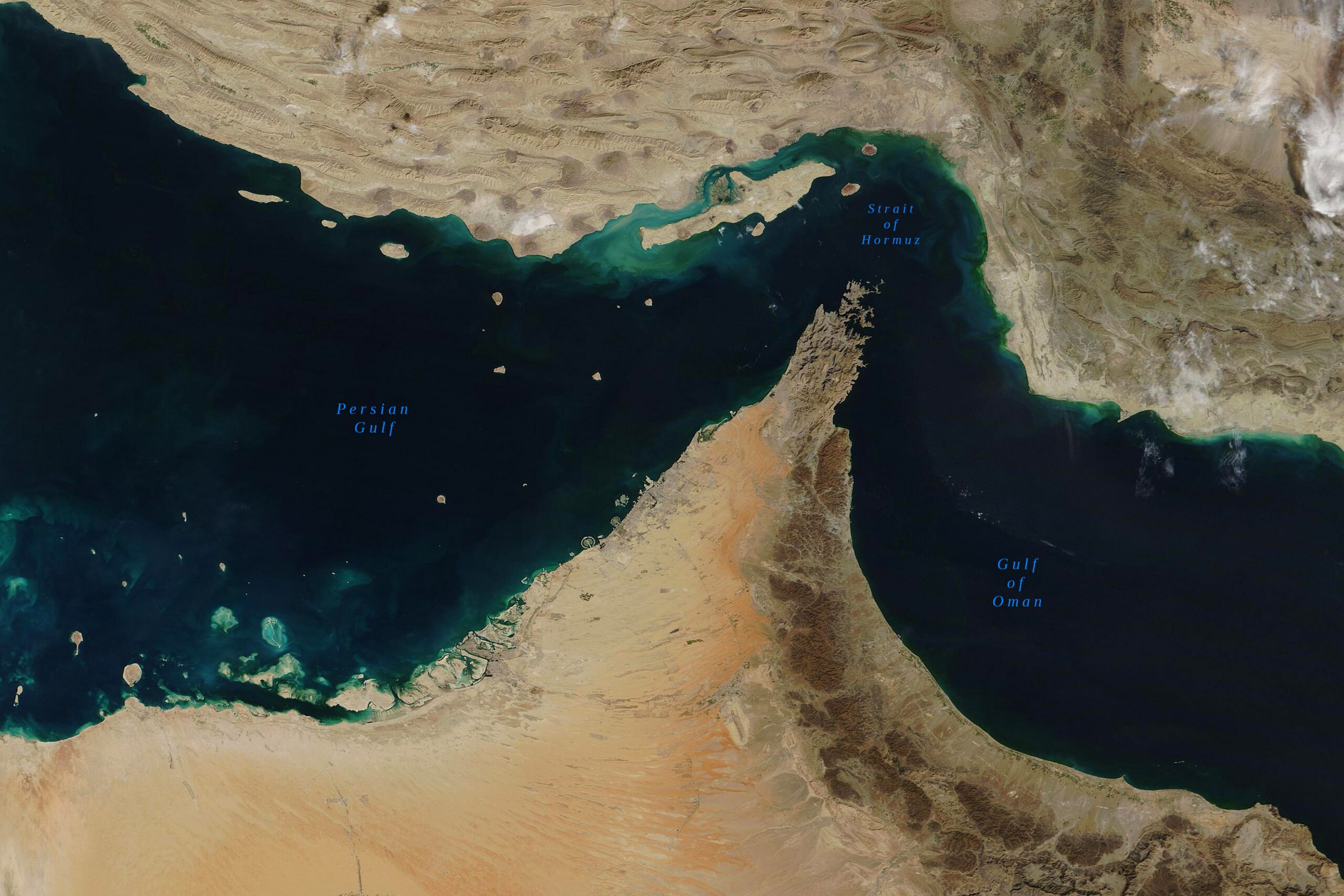
The Strait of Hormuz is currently closed to commercial shipping, with transit volumes hovering at less than 10% of normal levels despite a recent ceasefire between the US and Iran. Naval mines laid by Iranian forces continue to block key channels, and premiums for safe passage have surged to over 16 times the typical rate. This physical blockade explains the market’s 5% implied probability for a return to normal traffic by the end of June; the threshold of 60 daily transits remains unmet as vessels wait in queues exceeding 500.
Historically, similar chokepoints have required months, not weeks, to clear after mine-laying incidents. Comparable cases in the Red Sea and the Persian Gulf show that full commercial resumption only follows systematic clearance operations, which have not yet commenced in Hormuz. The current 38% of normal volume aligns with these precedents, suggesting the 5% probability is a realistic reflection of the logistical timeline rather than market pessimism.
Traders should monitor official announcements from the Iranian navy regarding mine-clearing schedules and any diplomatic breakthroughs that might accelerate channel reopening. Recent reporting from Reuters confirms that traffic remains at a near-standstill even with a ceasefire, underscoring the dependency on physical clearance rather than political agreements alone. On platforms like Polymarket versus Kalshi, divergence appears in fee structures and KYC requirements: Polymarket offers decimal odds with lower fees but no identity verification, while Kalshi mandates KYC and trades implied probabilities with higher regulatory oversight, affecting liquidity on this specific geopolitical event.
Methodology
We read Strait of Hormuz traffic returns to normal by end of June? from four platform perspectives: Polymarket (on-chain CLOB), Kalshi (CFTC-regulated exchange), Betfair Exchange (sports book exchange), Smarkets (peer-to-peer betting exchange). Polymarket's live quote comes directly from the Polygon order book; the other three are listed with their platform attributes — fees, KYC, settlement currency, payment options — because a 1:1 contract comparison without API access would be guesswork.
Resolution & payout
Polymarket settles via UMA Optimistic Oracle on Polygon. A proposer posts the outcome with a bond, the two-hour window runs, then the smart contract pays USDC.
Kalshi settles USD through the CFTC-regulated clearinghouse — the cleanest variant, with heavier KYC. Betfair Exchange settles in account currency (GBP/EUR), net of 2-5% commission. Smarkets follows the same model as Betfair with a lower default 2% commission.
FAQ
- Is this market available outside the US?
- PolyGram is available in most jurisdictions where Polymarket isn't directly accessible. Polymarket itself is geo-blocked in the US/UK/EU. Always check local regulations.
- How does resolution work?
- Through the UMA Optimistic Oracle on Polygon: a proposer submits the outcome, a two-hour challenge window opens, and USDC payouts settle automatically once the result is final.
- What's the difference between YES and NO shares?
- A YES share pays $1.00 if the event happens, $0 otherwise. A NO share pays $1.00 if the event doesn't happen. The market price between 0¢ and 100¢ is the implied probability.
- What does it cost to trade on PolyGram?
- Zero. PolyGram routes every order to the live Polymarket order book; the only cost is the Polygon network fee, typically under $0.01 per transaction.
- Do I need to KYC for this market?
- Not under $1,500 of lifetime trading volume. Above that threshold, PolyGram triggers a quick verification flow that finishes in minutes.
%22%2F%3E%3Cpath%20d%3D%22M%206%2066%20A%2026%2026%200%200%201%2058%2066%22%20fill%3D%22%23E6B98D%22%20opacity%3D%220.9%22%2F%3E%3Ccircle%20cx%3D%2232%22%20cy%3D%2226%22%20r%3D%2222%22%20fill%3D%22%23F5CBA7%22%2F%3E%3Crect%20x%3D%2210%22%20y%3D%224%22%20width%3D%2244%22%20height%3D%2214%22%20rx%3D%227%22%20fill%3D%22%2314b8a6%22%20opacity%3D%220.9%22%2F%3E%3Crect%20x%3D%228%22%20%20y%3D%2218%22%20width%3D%228%22%20%20height%3D%2218%22%20rx%3D%224%22%20fill%3D%22%2314b8a6%22%20opacity%3D%220.7%22%2F%3E%3Crect%20x%3D%2248%22%20y%3D%2218%22%20width%3D%228%22%20%20height%3D%2218%22%20rx%3D%224%22%20fill%3D%22%2314b8a6%22%20opacity%3D%220.7%22%2F%3E%3C%2Fsvg%3E) and
and%22%2F%3E%3Cpath%20d%3D%22M%206%2066%20A%2026%2026%200%200%201%2058%2066%22%20fill%3D%22%23E6B98D%22%20opacity%3D%220.9%22%2F%3E%3Ccircle%20cx%3D%2232%22%20cy%3D%2226%22%20r%3D%2222%22%20fill%3D%22%23F5CBA7%22%2F%3E%3Cpath%20d%3D%22M%2010%2026%20A%2022%2028%200%200%201%2054%2026%22%20fill%3D%22%2314b8a6%22%20opacity%3D%220.9%22%2F%3E%3C%2Fsvg%3E)
Trade Strait of Hormuz traffic returns to normal by end of… on PolyGram
Live order book, 0% fees, USDC settlement in seconds.
Trade on PolyGram →