Platform comparison
| Platform | YES odds | NO odds | Fee | KYC | Settlement | |
|---|---|---|---|---|---|---|
Polymarket (via Robinhood Prediction Markets) Pick polygram.ink (preferred broker) |
86% | 14% | 0% (USDC on-chain) | No-KYC up to $1,500 | USDC, auto via UMA oracle | Go to the live market → |
Polymarket (direct) polymarket.com |
86% | 14% | 0% | Geo-blocked in US/UK/EU | USDC, on-chain | Go to the live market → |
Kalshi kalshi.com |
— | — | Up to 7% per trade | US-only, KYC required | USD | Go to the live market → |
Betfair Exchange betfair.com |
— | — | 2-5% commission | Full KYC from first trade | GBP / EUR | Go to the live market → |
Manifold Markets manifold.markets |
— | — | Play-money (mana) | None — play-money | Mana (no cash-out) | Go to the live market → |
Outcome probabilities
Current market-implied probability for each outcome, from the live order book.
| Outcome | Probability |
|---|---|
| 40+ | 86% |
| 60+ | 46% |
| 80+ | 14% |
| 100+ | 6% |
Market context
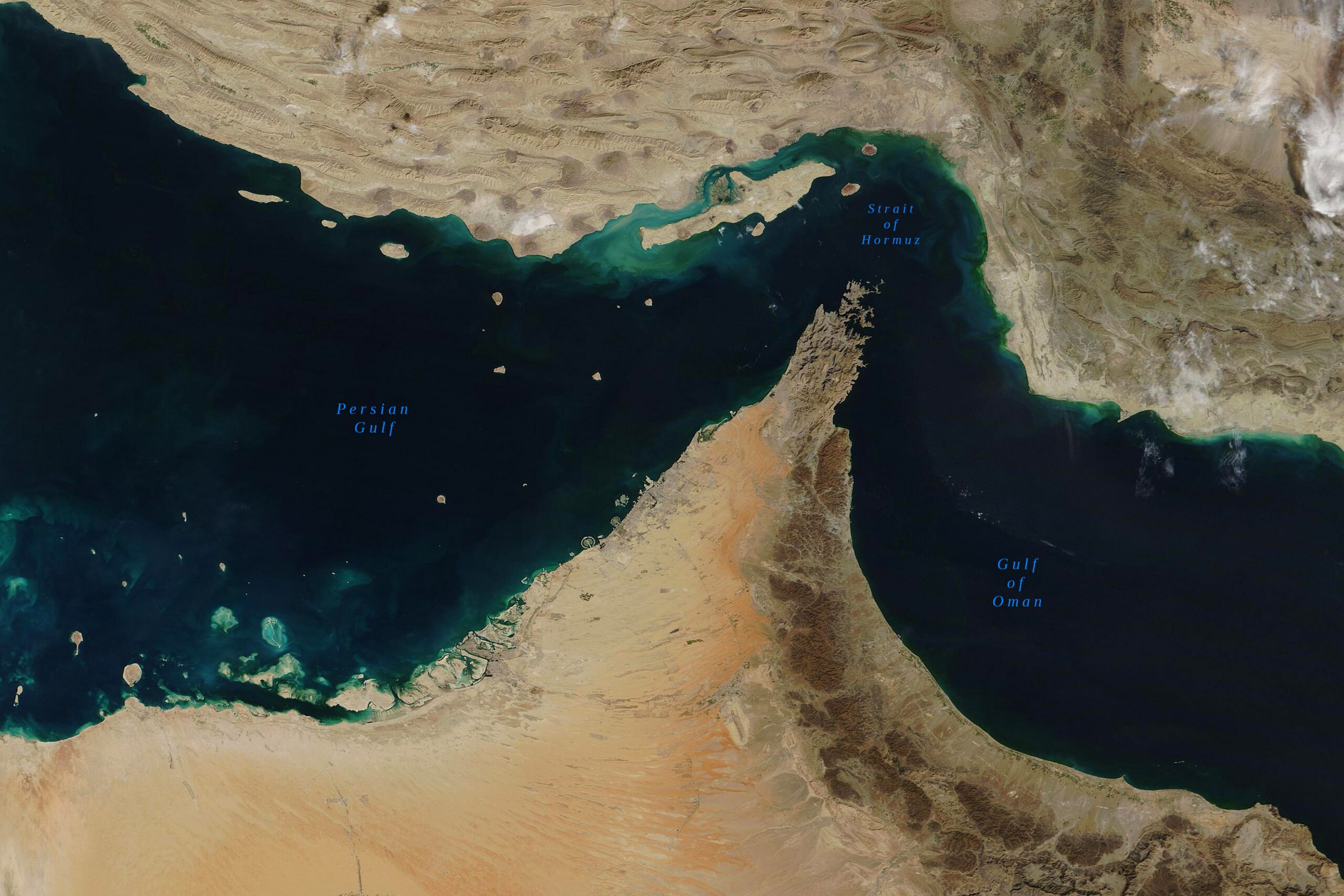
Ships are currently avoiding the Strait of Hormuz due to sustained attacks on commercial vessels, causing traffic to collapse by over 95% since late February 2026. This chokepoint, which once handled 75 to 125 daily crossings, has seen vessel numbers plummet to near zero, with the IMF PortWatch platform confirming reduced traffic remains ongoing[2][5]. The 45% implied probability that any transit will occur by July 2026 reflects the market’s uncertainty about whether security conditions will improve enough to allow even a single finalized arrival before the settlement window closes.
Historically, such chokepoints recover only when geopolitical tensions ease or naval escorts are deployed; however, no such catalyst has materialised yet. Traders should monitor weekly IMF PortWatch updates, released Tuesdays at 9 AM ET, for any sudden shifts in daily transit calls[6]. Recent data confirms the collapse is not a temporary dip but a structural halt, with Statista noting traffic has virtually stopped since March[7]. Key dependencies include announcements from regional powers regarding maritime security, scheduled naval patrols, and any de-escalation in the Iran-related conflict that triggered the initial disruption.
Platform mechanics diverge significantly here: Polymarket displays decimal odds (roughly 0.82 for YES), while Kalshi and Betfair emphasise implied probability (45%), affecting how traders interpret risk. Fee structures also vary—Polymarket charges no platform fee but includes network gas costs, whereas Kalshi imposes a 2% cap on winnings and requires full KYC, limiting access for non-US participants. Smarkets and Betfair offer lower fees but demand stricter identity verification, creating a fragmented landscape where liquidity and accessibility depend heavily on the book’s regulatory reach.
Methodology
We read Will 2026 ships transit the Strait of Hormuz on any day by July 31? from four platform perspectives: Polymarket (on-chain CLOB), Kalshi (CFTC-regulated exchange), Betfair Exchange (sports book exchange), Smarkets (peer-to-peer betting exchange). Polymarket's live mid is the canonical probability; the side-by-side columns benchmark fees, KYC, settlement currency and deposit rails so you can choose the venue that fits your jurisdiction and trade size.
Resolution & payout
Polymarket settles via UMA Optimistic Oracle on Polygon. A proposer posts the outcome with a bond, the two-hour window runs, then the smart contract pays USDC.
Kalshi settles USD through the CFTC-regulated clearinghouse — the cleanest variant, with heavier KYC. Betfair Exchange settles in account currency (GBP/EUR), net of 2-5% commission. Smarkets follows the same model as Betfair with a lower default 2% commission.
FAQ
- Polymarket vs Kalshi — which is better?
- Depends on your location. Kalshi is CFTC-regulated, US-only with full KYC. Polymarket is global, on-chain, no KYC up to $1,500. Polymarket has ~10x higher liquidity but higher regulatory risk.
- What does Polymarket cost vs Kalshi?
- Polymarket: 0% fees, only Polygon network costs (~$0.01/trade). Kalshi: up to 7% per trade plus spread. For high-frequency traders, Polymarket is dramatically cheaper.
- Which platform has the deepest liquidity?
- Polymarket — by a wide margin. Top markets reach $50-500M volume, Kalshi ~$200M cumulative, Betfair similar. Deeper liquidity means your trade moves the quote less.
- Which platform is accessible globally?
- Polymarket is geo-blocked in the US/UK/EU. Kalshi is US-only. Betfair and Smarkets are UK-restricted. Robinhood Prediction Markets has a different geo footprint and routes to Polymarket's order book at 0% fees.
- Are all these platforms regulated?
- No. Kalshi is CFTC-regulated (US). Betfair and Smarkets are UK Gambling Commission licensed. Polymarket operates without explicit regulation — a different risk profile than a regulated sportsbook.
%22%2F%3E%3Cpath%20d%3D%22M%206%2066%20A%2026%2026%200%200%201%2058%2066%22%20fill%3D%22%23E6B98D%22%20opacity%3D%220.9%22%2F%3E%3Ccircle%20cx%3D%2232%22%20cy%3D%2226%22%20r%3D%2222%22%20fill%3D%22%23F5CBA7%22%2F%3E%3Crect%20x%3D%2210%22%20y%3D%224%22%20width%3D%2244%22%20height%3D%2214%22%20rx%3D%227%22%20fill%3D%22%2314b8a6%22%20opacity%3D%220.9%22%2F%3E%3Crect%20x%3D%228%22%20%20y%3D%2218%22%20width%3D%228%22%20%20height%3D%2218%22%20rx%3D%224%22%20fill%3D%22%2314b8a6%22%20opacity%3D%220.7%22%2F%3E%3Crect%20x%3D%2248%22%20y%3D%2218%22%20width%3D%228%22%20%20height%3D%2218%22%20rx%3D%224%22%20fill%3D%22%2314b8a6%22%20opacity%3D%220.7%22%2F%3E%3C%2Fsvg%3E) and
and%22%2F%3E%3Cpath%20d%3D%22M%206%2066%20A%2026%2026%200%200%201%2058%2066%22%20fill%3D%22%23E6B98D%22%20opacity%3D%220.9%22%2F%3E%3Ccircle%20cx%3D%2232%22%20cy%3D%2226%22%20r%3D%2222%22%20fill%3D%22%23F5CBA7%22%2F%3E%3Cpath%20d%3D%22M%2010%2026%20A%2022%2028%200%200%201%2054%2026%22%20fill%3D%22%2314b8a6%22%20opacity%3D%220.9%22%2F%3E%3C%2Fsvg%3E)
Trade Will 2026 ships transit the Strait of Hormuz on any … on Robinhood Prediction Markets
Live order book, 0% fees, USDC settlement in seconds.
Open live market →