Platform comparison
| Platform | YES odds | NO odds | Fee | KYC | Settlement | |
|---|---|---|---|---|---|---|
Polymarket (via Robinhood Prediction Markets) Pick polygram.ink (preferred broker) |
86% | 14% | 0% (USDC on-chain) | No-KYC up to $1,500 | USDC, auto via UMA oracle | Go to the live market → |
Polymarket (direct) polymarket.com |
86% | 14% | 0% | Geo-blocked in US/UK/EU | USDC, on-chain | Go to the live market → |
Kalshi kalshi.com |
— | — | Up to 7% per trade | US-only, KYC required | USD | Go to the live market → |
Betfair Exchange betfair.com |
— | — | 2-5% commission | Full KYC from first trade | GBP / EUR | Go to the live market → |
Manifold Markets manifold.markets |
— | — | Play-money (mana) | None — play-money | Mana (no cash-out) | Go to the live market → |
Outcome probabilities
Current market-implied probability for each outcome, from the live order book.
| Outcome | Probability |
|---|---|
| 24°C | 86% |
| 25°C | 12% |
| 26°C | 1% |
| 27°C | 1% |
| 20°C or below | 0% |
| 21°C | 0% |
| 22°C | 0% |
| 23°C | 0% |
| 28°C | 0% |
| 29°C | 0% |
| 30°C or higher | 0% |
Market context
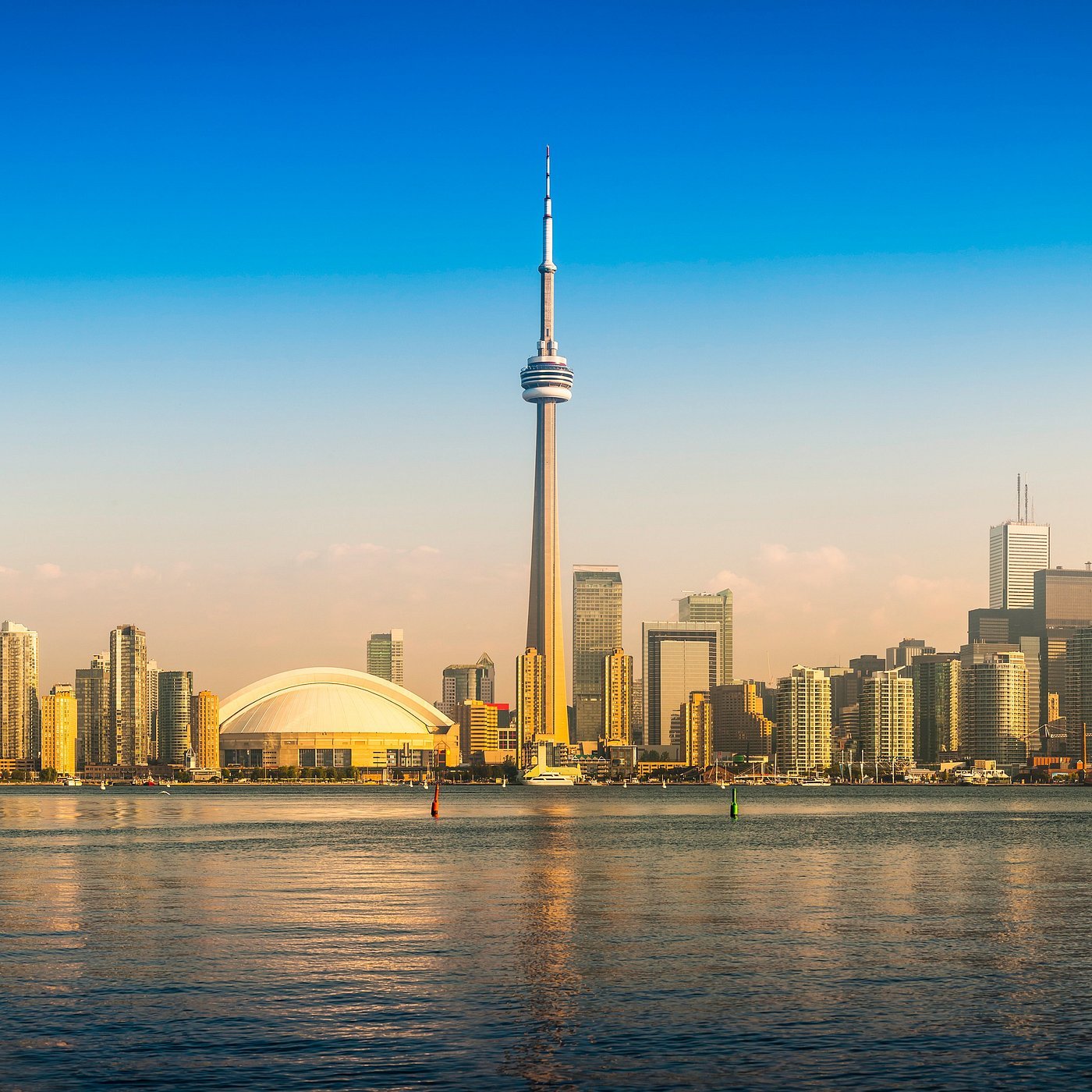
The event is the **highest temperature at Toronto Pearson International Airport on 2 August**, with the market resolving on the Celsius range that contains the day’s peak reading from the Wunderground station record. In practical terms, this is a single-day, single-station temperature outcome, so the relevant question is not whether Toronto is “hot”, but whether the airport’s *daily maximum* lands in a particular band before the settlement window closes at noon UTC. Toronto’s August climate is usually warm rather than extreme: long-run August averages are around the mid-20s Celsius, while the historical record for 2 August in Toronto is 33.9°C, showing that a very hot outcome is possible but not the norm.[3][11][17]
That historical frame helps explain why the current **0% YES** crowd-implied probability looks like an outlier rather than a pricing signal on temperature itself. Toronto has posted frequent summer highs above 30°C, including several recent August peaks in the low-to-mid 30s, and Pearson has also delivered new daily records in recent heat events, such as 36.0°C on Canada Day 2026.[5][12][14] For platform comparison, Polymarket displays crowd-implied probability directly, whereas Kalshi and Betfair are better read through contract prices and net payout after fees; Smarkets typically quotes decimal odds, so a low-probability weather outcome can appear differently once commission and market spread are included. KYC and access also vary by venue, which matters here because weather markets can move quickly on a small number of local forecasts.
The main catalysts are the forecast trend for the Greater Toronto area, any heat warnings or cooling marine flow near Lake Ontario, and the timing of morning versus afternoon temperatures at Pearson, since the market settles on the *day’s maximum* rather than an average. Short-term forecast updates from Environment and Climate Change Canada, The Weather Network, or similar services are the key inputs traders will watch; on a summer day, a shift of just a few degrees can move the likely settlement band materially. Because the window closes at 12:00 UTC, market participants should pay attention to whether the day’s highest temperature is likely to arrive before or after that cut-off, as a late-afternoon peak still counts for the underlying weather record but may be less relevant if the contract has already settled.
Methodology
This page compares Highest temperature in Toronto on August 2? specifically across Polymarket, Kalshi, Betfair Exchange and Smarkets. The live probability is the Polymarket mid; the comparison columns summarise each venue's fee structure, KYC, settlement currency and payment rails. Every CTA routes to Robinhood Prediction Markets, which mirrors the Polymarket order book at 0% fees.
Resolution & payout
Polymarket settles via UMA Optimistic Oracle on Polygon. A proposer posts the outcome with a bond, the two-hour window runs, then the smart contract pays USDC.
Kalshi settles USD through the CFTC-regulated clearinghouse — the cleanest variant, with heavier KYC. Betfair Exchange settles in account currency (GBP/EUR), net of 2-5% commission. Smarkets follows the same model as Betfair with a lower default 2% commission.
FAQ
- Polymarket vs Kalshi — which is better?
- Depends on your location. Kalshi is CFTC-regulated, US-only with full KYC. Polymarket is global, on-chain, no KYC up to $1,500. Polymarket has ~10x higher liquidity but higher regulatory risk.
- What does Polymarket cost vs Kalshi?
- Polymarket: 0% fees, only Polygon network costs (~$0.01/trade). Kalshi: up to 7% per trade plus spread. For high-frequency traders, Polymarket is dramatically cheaper.
- Which platform has the deepest liquidity?
- Polymarket — by a wide margin. Top markets reach $50-500M volume, Kalshi ~$200M cumulative, Betfair similar. Deeper liquidity means your trade moves the quote less.
- Are all these platforms regulated?
- No. Kalshi is CFTC-regulated (US). Betfair and Smarkets are UK Gambling Commission licensed. Polymarket operates without explicit regulation — a different risk profile than a regulated sportsbook.
- Which platform supports Klarna/SOFORT?
- Directly: none. Polymarket accepts only USDC on Polygon. Robinhood Prediction Markets offers a fiat on-ramp via Klarna or SOFORT (DE/AT/CH) and converts internally to USDC for the Polymarket order book. T+1 processing.
%22%2F%3E%3Cpath%20d%3D%22M%206%2066%20A%2026%2026%200%200%201%2058%2066%22%20fill%3D%22%23E6B98D%22%20opacity%3D%220.9%22%2F%3E%3Ccircle%20cx%3D%2232%22%20cy%3D%2226%22%20r%3D%2222%22%20fill%3D%22%23F5CBA7%22%2F%3E%3Crect%20x%3D%2210%22%20y%3D%224%22%20width%3D%2244%22%20height%3D%2214%22%20rx%3D%227%22%20fill%3D%22%2314b8a6%22%20opacity%3D%220.9%22%2F%3E%3Crect%20x%3D%228%22%20%20y%3D%2218%22%20width%3D%228%22%20%20height%3D%2218%22%20rx%3D%224%22%20fill%3D%22%2314b8a6%22%20opacity%3D%220.7%22%2F%3E%3Crect%20x%3D%2248%22%20y%3D%2218%22%20width%3D%228%22%20%20height%3D%2218%22%20rx%3D%224%22%20fill%3D%22%2314b8a6%22%20opacity%3D%220.7%22%2F%3E%3C%2Fsvg%3E) and
and%22%2F%3E%3Cpath%20d%3D%22M%206%2066%20A%2026%2026%200%200%201%2058%2066%22%20fill%3D%22%23E6B98D%22%20opacity%3D%220.9%22%2F%3E%3Ccircle%20cx%3D%2232%22%20cy%3D%2226%22%20r%3D%2222%22%20fill%3D%22%23F5CBA7%22%2F%3E%3Cpath%20d%3D%22M%2010%2026%20A%2022%2028%200%200%201%2054%2026%22%20fill%3D%22%2314b8a6%22%20opacity%3D%220.9%22%2F%3E%3C%2Fsvg%3E)
Trade Highest temperature in Toronto on August 2? on Robinhood Prediction Markets
Live order book, 0% fees, USDC settlement in seconds.
Open live market →