Platform comparison
| Platform | YES odds | NO odds | Fee | KYC | Settlement | |
|---|---|---|---|---|---|---|
Polymarket (via Robinhood Prediction Markets) Pick polygram.ink (preferred broker) |
8% | 92% | 0% (USDC on-chain) | No-KYC up to $1,500 | USDC, auto via UMA oracle | Go to the live market → |
Polymarket (direct) polymarket.com |
8% | 92% | 0% | Geo-blocked in US/UK/EU | USDC, on-chain | Go to the live market → |
Kalshi kalshi.com |
— | — | Up to 7% per trade | US-only, KYC required | USD | Go to the live market → |
Betfair Exchange betfair.com |
— | — | 2-5% commission | Full KYC from first trade | GBP / EUR | Go to the live market → |
Manifold Markets manifold.markets |
— | — | Play-money (mana) | None — play-money | Mana (no cash-out) | Go to the live market → |
Market context
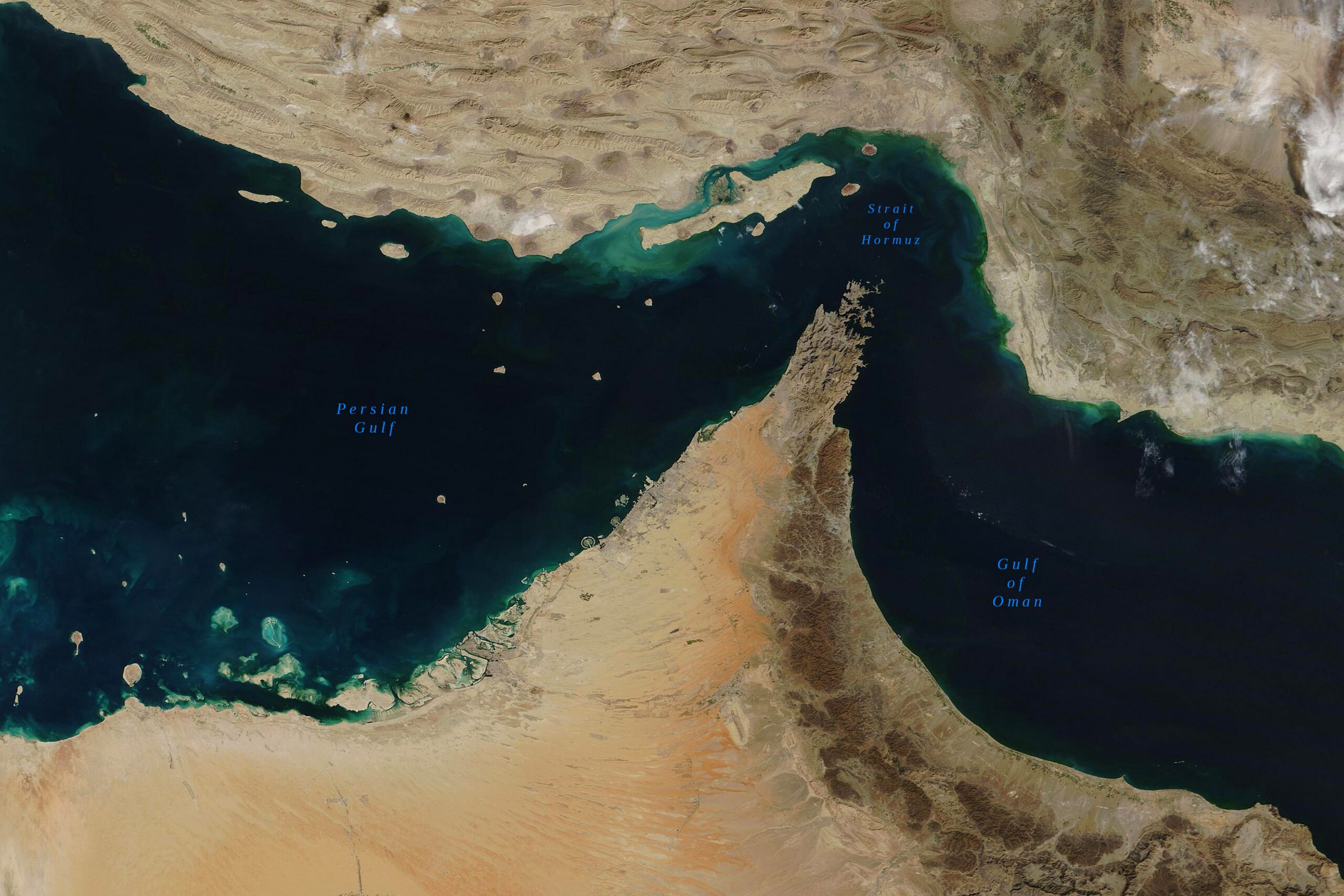
The Strait of Hormuz remains effectively closed to commercial shipping as Iran reversed its brief reopening following reported attacks, leaving global energy markets in a state of high tension with oil prices volatile and freight indices spiking. This real-world paralysis underpins the current 8% crowd-implied probability that transit calls will return to a 7-day moving average of 60 or above by July 7, 2026.
Historical precedents from the 2020–2021 period show that even during severe geopolitical friction, the strait rarely sustains a complete shutdown for more than a few weeks unless direct military conflict escalates; however, the current suspension since late February 2026 marks an unusually prolonged disruption, with recent data showing only 25 vessels crossing on 18 June after a near-standstill for weeks[3][4]. This extended closure contrasts sharply with typical crisis patterns, suggesting the low probability reflects genuine concern that the 60-ship threshold is unlikely to be met before the settlement window closes.
Traders should monitor announcements from the U.S. Central Command regarding merchant ship transits and any shifts in Iran’s maritime policy, as 55 merchant ships recently crossed with over 17 million barrels of oil despite the broader closure[9]. Additionally, watch for updates on war risk insurance coverage and freight rate adjustments, as Shanghai container futures have hit consecutive limit ups amid carrier-led rate hikes driven by Hormuz fears[1]. On platforms like Polymarket versus Kalshi or Betfair, divergence arises in decimal odds versus implied probability displays, fee structures that can erode thin margins, and KYC requirements that may limit access for international participants researching this specific market.
Methodology
This page compares Strait of Hormuz traffic returns to normal by July 7? specifically across Polymarket, Kalshi, Betfair Exchange and Smarkets. The live probability is the Polymarket mid; the comparison columns summarise each venue's fee structure, KYC, settlement currency and payment rails. Every CTA routes to Robinhood Prediction Markets, which mirrors the Polymarket order book at 0% fees.
Resolution & payout
Polymarket settles via UMA Optimistic Oracle on Polygon. A proposer posts the outcome with a bond, the two-hour window runs, then the smart contract pays USDC.
Kalshi settles USD through the CFTC-regulated clearinghouse — the cleanest variant, with heavier KYC. Betfair Exchange settles in account currency (GBP/EUR), net of 2-5% commission. Smarkets follows the same model as Betfair with a lower default 2% commission.
FAQ
- Polymarket vs Kalshi — which is better?
- Depends on your location. Kalshi is CFTC-regulated, US-only with full KYC. Polymarket is global, on-chain, no KYC up to $1,500. Polymarket has ~10x higher liquidity but higher regulatory risk.
- What does Polymarket cost vs Kalshi?
- Polymarket: 0% fees, only Polygon network costs (~$0.01/trade). Kalshi: up to 7% per trade plus spread. For high-frequency traders, Polymarket is dramatically cheaper.
- What about Smarkets as an alternative?
- Smarkets is a UK betting exchange with a lower default commission (2%) than Betfair. Liquidity on political markets is below Polymarket, comparable to Kalshi. Geo-blocked in many jurisdictions.
- Which platform is accessible globally?
- Polymarket is geo-blocked in the US/UK/EU. Kalshi is US-only. Betfair and Smarkets are UK-restricted. Robinhood Prediction Markets has a different geo footprint and routes to Polymarket's order book at 0% fees.
- Are all these platforms regulated?
- No. Kalshi is CFTC-regulated (US). Betfair and Smarkets are UK Gambling Commission licensed. Polymarket operates without explicit regulation — a different risk profile than a regulated sportsbook.
%22%2F%3E%3Cpath%20d%3D%22M%206%2066%20A%2026%2026%200%200%201%2058%2066%22%20fill%3D%22%23E6B98D%22%20opacity%3D%220.9%22%2F%3E%3Ccircle%20cx%3D%2232%22%20cy%3D%2226%22%20r%3D%2222%22%20fill%3D%22%23F5CBA7%22%2F%3E%3Crect%20x%3D%2210%22%20y%3D%224%22%20width%3D%2244%22%20height%3D%2214%22%20rx%3D%227%22%20fill%3D%22%2314b8a6%22%20opacity%3D%220.9%22%2F%3E%3Crect%20x%3D%228%22%20%20y%3D%2218%22%20width%3D%228%22%20%20height%3D%2218%22%20rx%3D%224%22%20fill%3D%22%2314b8a6%22%20opacity%3D%220.7%22%2F%3E%3Crect%20x%3D%2248%22%20y%3D%2218%22%20width%3D%228%22%20%20height%3D%2218%22%20rx%3D%224%22%20fill%3D%22%2314b8a6%22%20opacity%3D%220.7%22%2F%3E%3C%2Fsvg%3E) and
and%22%2F%3E%3Cpath%20d%3D%22M%206%2066%20A%2026%2026%200%200%201%2058%2066%22%20fill%3D%22%23E6B98D%22%20opacity%3D%220.9%22%2F%3E%3Ccircle%20cx%3D%2232%22%20cy%3D%2226%22%20r%3D%2222%22%20fill%3D%22%23F5CBA7%22%2F%3E%3Cpath%20d%3D%22M%2010%2026%20A%2022%2028%200%200%201%2054%2026%22%20fill%3D%22%2314b8a6%22%20opacity%3D%220.9%22%2F%3E%3C%2Fsvg%3E)
Trade Strait of Hormuz traffic returns to normal by July 7? on Robinhood Prediction Markets
Live order book, 0% fees, USDC settlement in seconds.
Open live market →